
ICHRA Has a New Name: Meet CHOICE Arrangements!
ICHRA has a new name: CHOICE Arrangements. Learn what changed, what CHOICE means, and why the name change doesn’t change how ICHRA works.

ICHRA has a new name: CHOICE Arrangements. Learn what changed, what CHOICE means, and why the name change doesn’t change how ICHRA works.
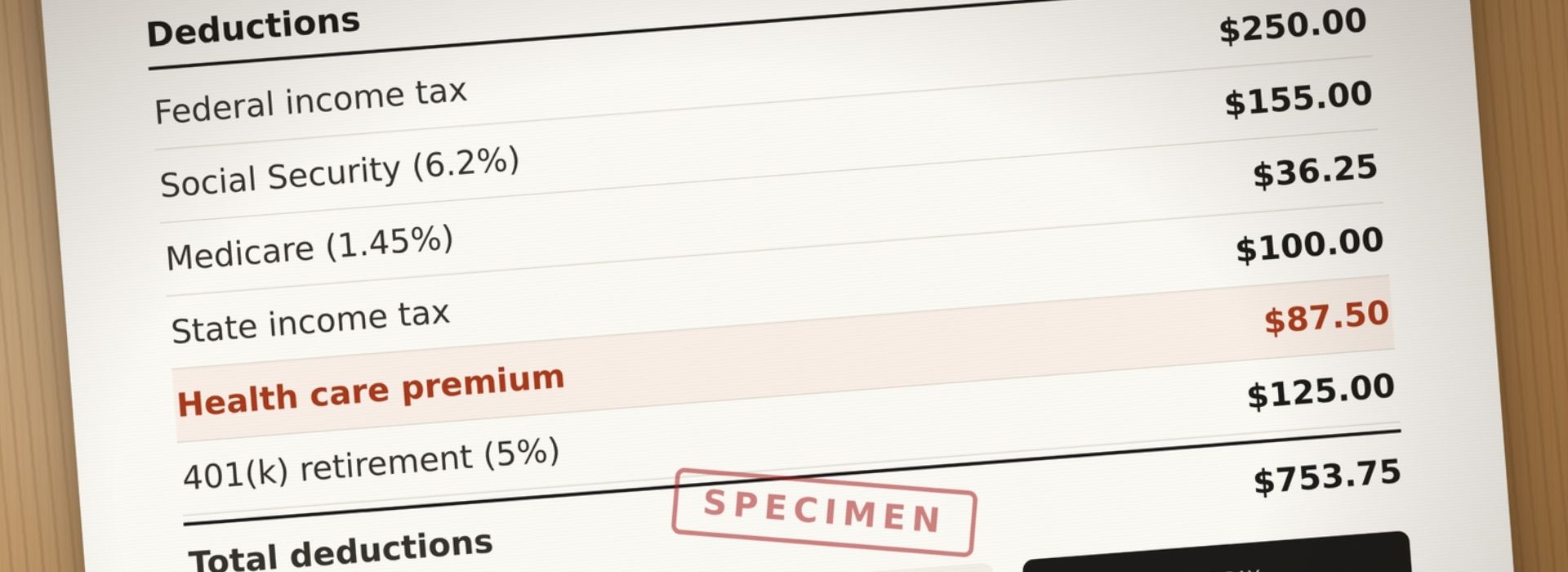
The IRS has raised the ACA affordability rate for 2027 to 10.22% of household income, up from 9.96% and above 10% for the first time since the employer mandate took effect. Here’s what the new safe harbor limits mean for your contribution strategy.

One of the biggest advantages ICHRA has over group health plans is the ability to use employee classes. Instead of offering the same health benefits to everyone, you can use 11 employee classes to tailor your benefits strategy around your workforce.

As employers search for new ways to rein in rising healthcare costs, direct primary care (DPC) has emerged as another lever to pull. By shifting primary care to a flat-fee membership model, DPC can create more predictable expenses, reduce unnecessary claims, and improve everyday access to care for employees.

What happens to an employee’s premium tax credit eligibility when they get offered ICHRA or QSEHRA dollars? Learn more about how each HRA coordinates with premium tax credits and things you should consider as an employer before you implement a plan.

As federal efforts to codify ICHRA stalled in Congress, several states have begun pursuing their own solutions. Connecticut has become the latest state to adopt a state-level ICHRA tax credit. Here’s a look at the states leading the way and those worth watching.

This post breaks down what really supports mental health at work: a healthy culture, PTO people can actually use, leaders who care about employees’ lives, genuine specific appreciation, and real chances to give feedback and improve how work gets done.

Wondering how HSAs fit with HRAs? This guide explains what a Health Savings Account is, how it works, and when you can pair an HSA with an HRA like ICHRA or QSEHRA while keeping employees HSA-eligible and your benefits strategy compliant.

As healthcare costs continue to rise, many employers are rethinking how they offer benefits. If you’ve found yourself questioning whether traditional group health insurance is still the right fit, you’re not alone—and there are alternatives worth exploring.

Wondering if you can start an ICHRA mid-year? You can. Learn how notice periods work, how a special enrollment period is triggered, and how to transition from group coverage without disrupting your employees’ benefits.

CMS’s latest data shows 2026 ACA enrollment declines were far more modest than experts predicted after enhanced premium tax credits expired. While some drop-off occurred, the individual market proved more resilient than expected. Here’s what the numbers reveal.
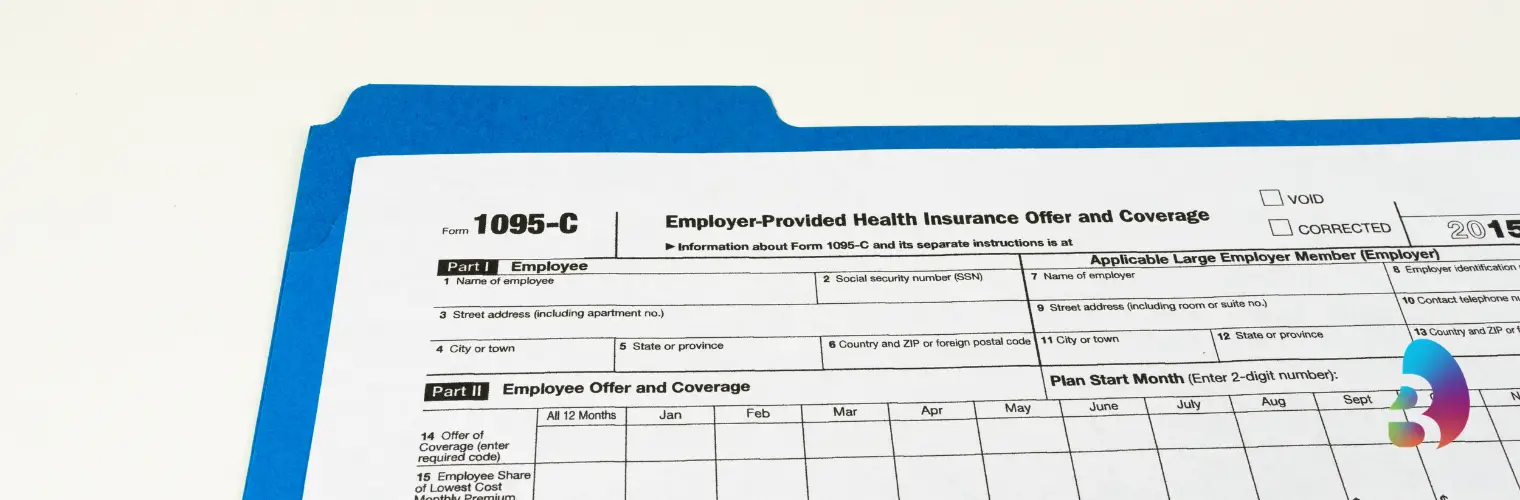
Tax season is when ICHRA compliance gets tested. Use our benefit compliance checklist to stay organized, meet key filing requirements, and keep your ICHRA program compliant and audit-ready.